
This work is not about fixing you.
It’s about learning how to live in a way that actually holds.
Approach
What This Work Is
Our bodies, our relationships, our lineages, and the living world don’t exist in isolation. Neither does healing.
Rather than treating symptoms in isolation, we restore relationships— within yourself, with others, with lineage, and with the living world.
These aren’t seperate issues. They continually shape one another.
nervous system and meaning
ancestry and identity
rhythm and burnout
embodiment and spirituality
personal healing and collective repair
The goal isn’t just insight alone.
It’s creating a way of living that you can inhabit.
Below are some doorways through which people enter this work.
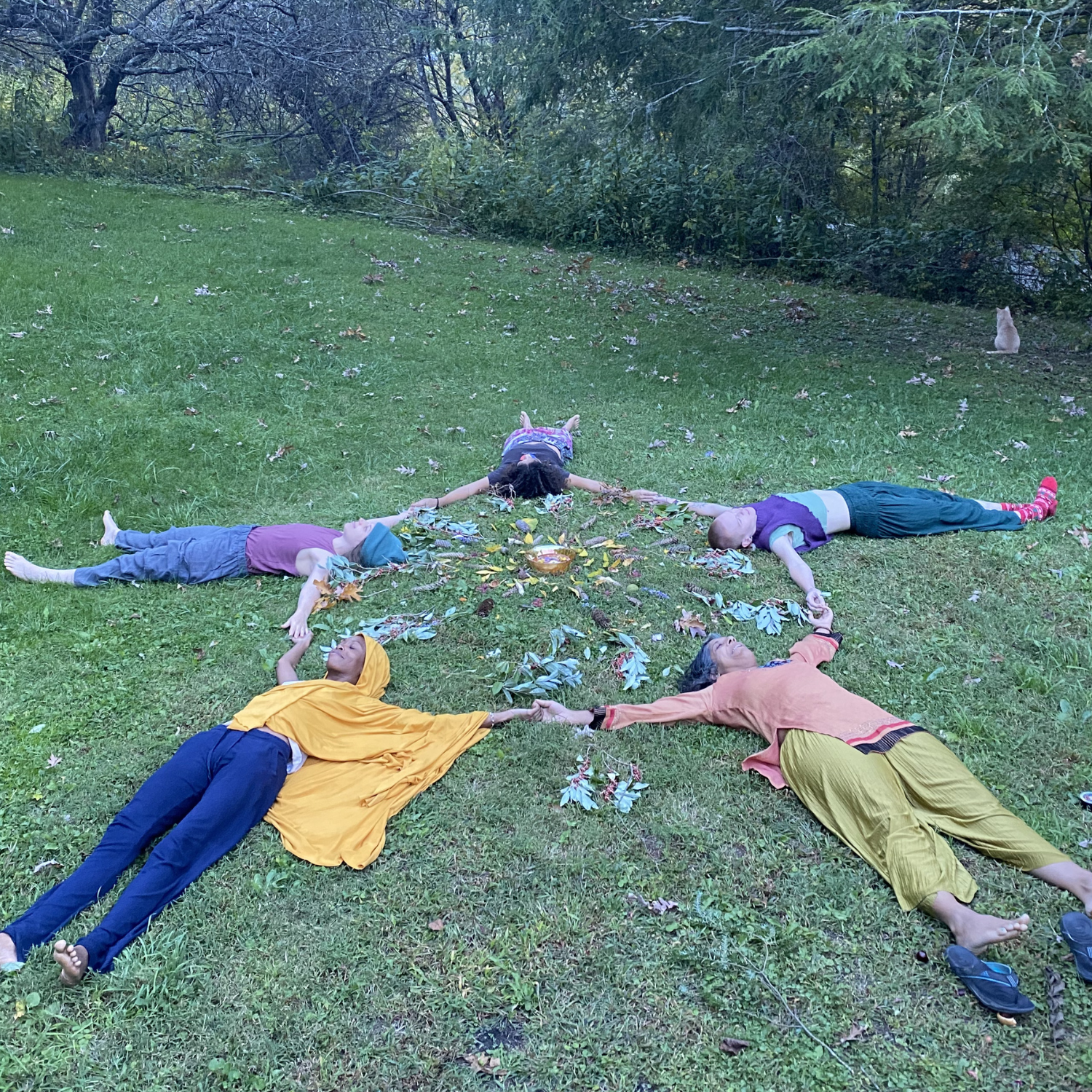
The Body Door
Come Home to Yourself.
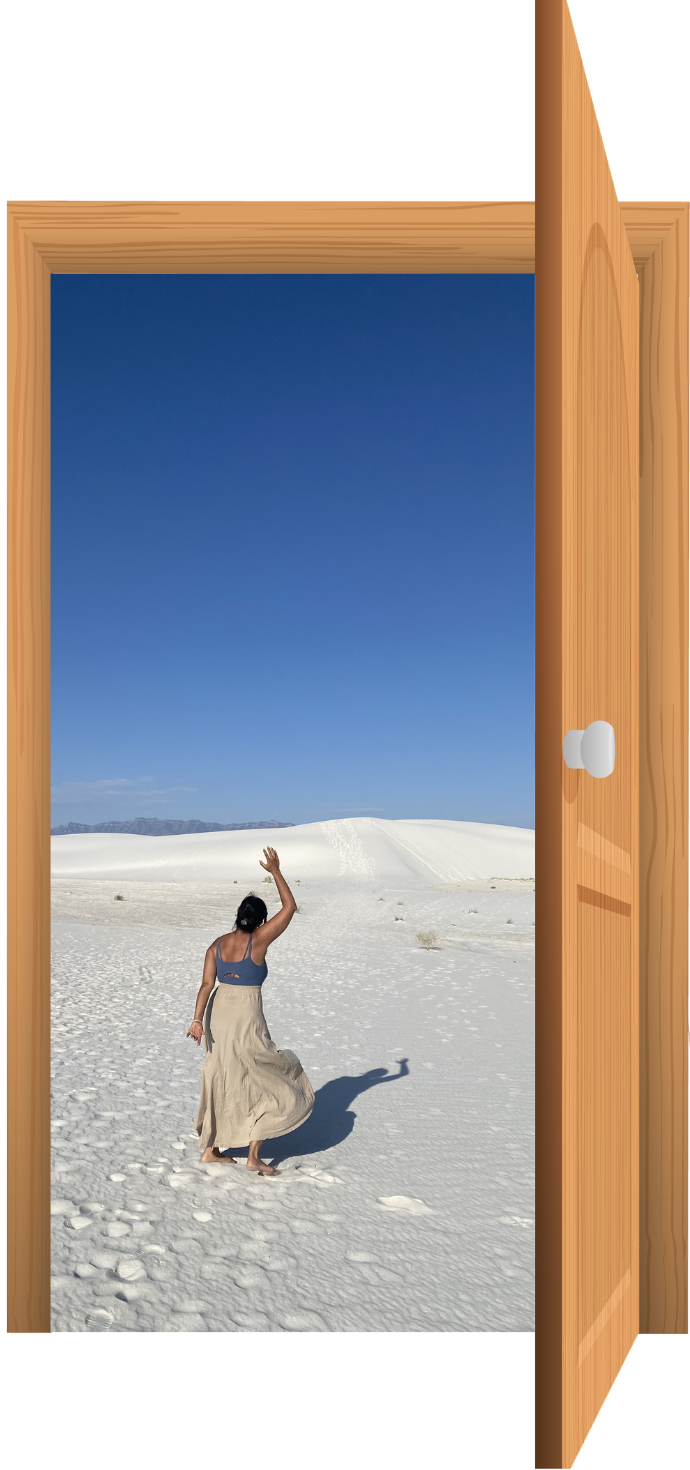
The body is often knows before the mind does.
Before the mind has language for something, the body is already responding — through tension, exhaustion, numbness, anxiety, overdrive, shutdown, breath, posture, or sensation.
Rather than overriding these signals, we learn how to build a relationship with them.
This work is not about forcing your body into constant calm. It’s about developing a relationship with your nervous system, your instincts, your boundaries, and your capacity to feel what is happening.
Together we explore questions like:
What is your body trying to communicate?
What patterns live beneath your reactions?
What happens when you stop abandoning yourself internally?
What changes when rest, safety, and embodiment become part of daily life instead of emergencies?
Sometimes the work looks like slowing down.
Sometimes it looks like grief, movement, rest, or learning how to stay present with sensation without becoming overwhelmed.
The body is not separate from healing. It is where healing becomes real.
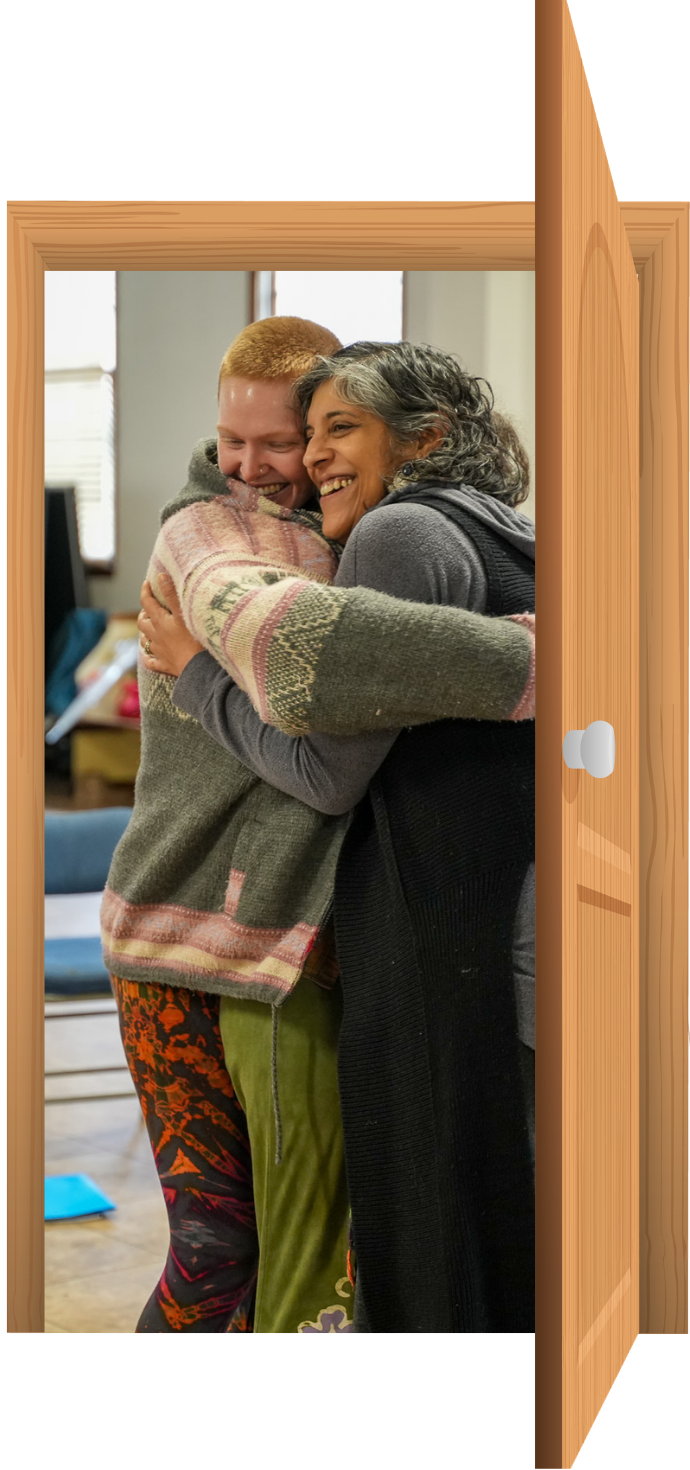
The Others Door
Deepen Your Capacity for Relationship
Healing does not happen in isolation.
Many of our deepest patterns emerge in relationship — in how we connect, protect ourselves, seek belonging, respond to conflict, communicate needs, or navigate closeness and distance.
Relationship work is not just about romantic partnership. It includes friendship, family, community, co-workers, teams, collaboration, repair, and the relationship you have with yourself.
The ways we learned to survive in earlier relationships often continue shaping how we relate long after those relationships have changed.
Together we explore questions like:
What patterns emerge in your relationships?
How do you respond to conflict, vulnerability, or intimacy?
Where do you abandon yourself to maintain connection?
What helps relationships become more honest, grounded, and repairable?
This work may involve boundaries, communication, accountability, attachment patterns, restorative dialogue, grief, or learning how to stay present during moments that once led to shutdown, defensiveness, or disconnection.
Relationship is not separate from healing.
It is one of the places healing becomes visible.
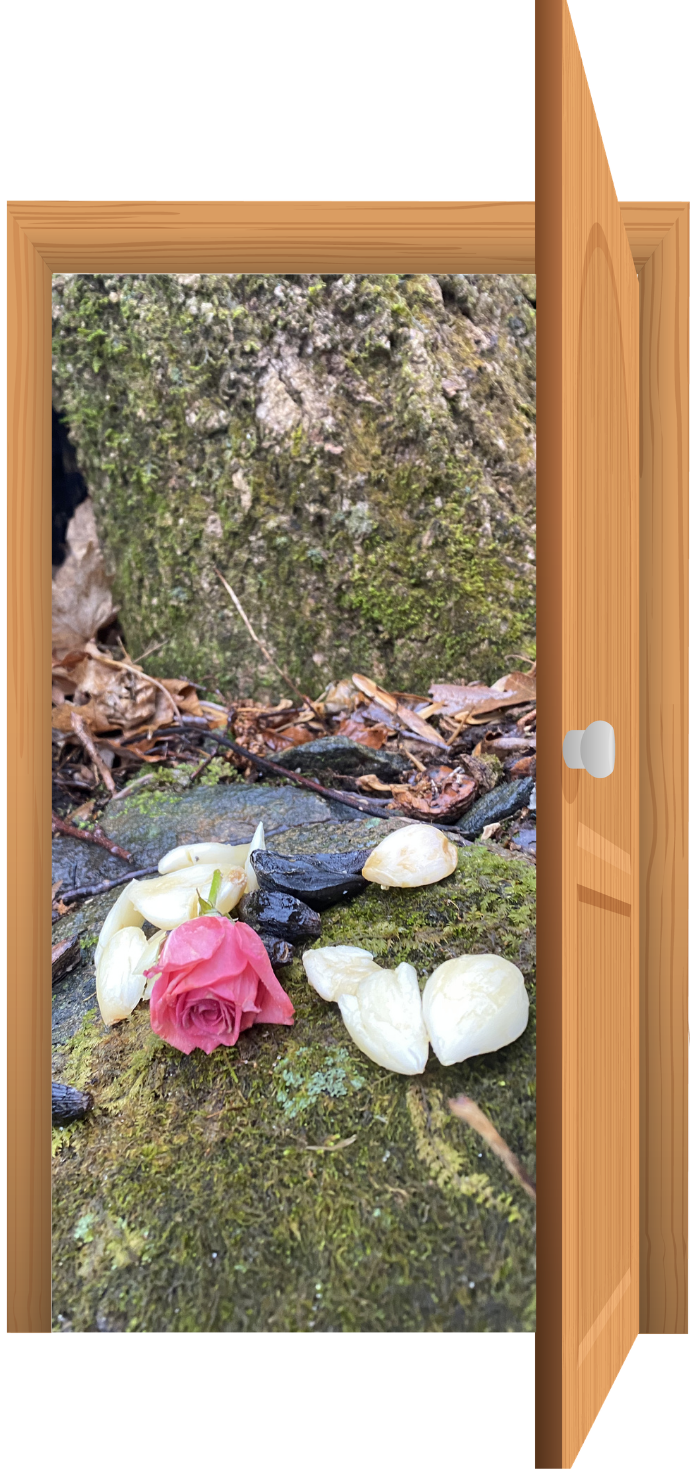
The Lineage Door
Connect With the Wisdom that Carries You.
Lineage is more than history.
It is a living relationship with those who came before us—and with the wisdom that continues to move through our lives.
We inherit ways of surviving, loving, grieving, making meaning, and seeing the world. Some of these inheritances become gifts. Others become burdens we never consciously chose.
Rather than trying to reject or romanticize the past, we learn to enter into relationship with it.
In this work, we connect with well and healed ancestors, guides, and other benevolent unseen beings who can help us receive wisdom, transform inherited burdens, and remember gifts that may have been forgotten.
Lineage includes family, culture, spiritual traditions, migration, and collective history. It also includes the lineages we consciously choose to enter and carry forward.
Together we explore questions like:
What gifts have been entrusted to you?
What burdens were never yours to carry?
What stories, roles, or responsibilities have been inherited?
What wisdom is asking to continue through your life?
What has been interrupted, forgotten, or left unfinished?
What becomes possible when you no longer carry everything alone?
This work may involve grief, ritual, ancestral repair, family dynamics, cultural memory, spiritual guidance, and reconnecting with forms of belonging that have become fragmented over time.
Lineage is not only about where we come from.
It is also about who walks with us now—and what we choose to carry forward.
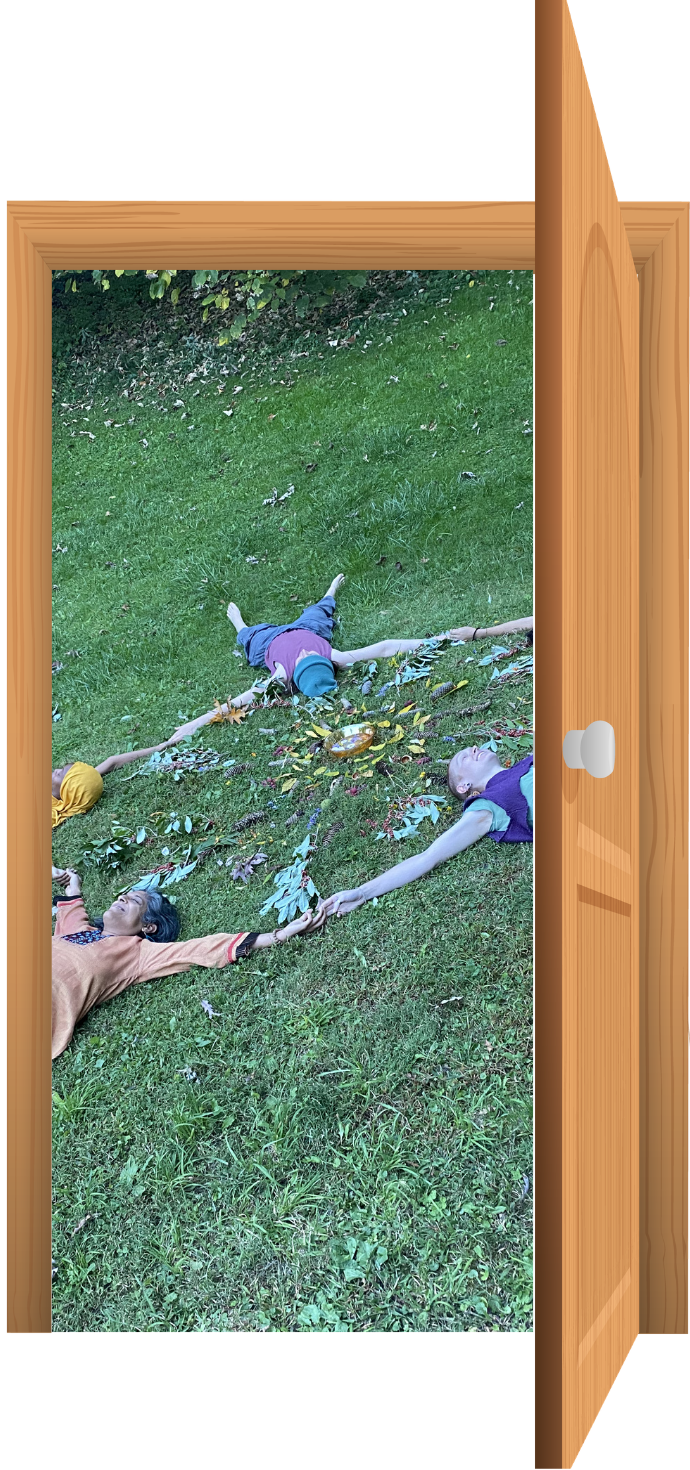
The Earth Door
Return to Relationship with the Living World.
The Earth is not simply the place where healing happens.
It is one of our oldest relationships.
Modern life often asks us to live as though we are separate—from the seasons, from our bodies, from the land beneath us, and from the rhythms that sustain life.
Over time, that separation can become exhaustion, urgency, burnout, and a quiet sense of not belonging.
This doorway is an invitation to remember another way.
We begin paying attention to the relationships that shape daily life: sleep and waking, work and rest, the changing seasons, the sun and moon, plants, water, weather, and the places that hold us.
Rather than trying to optimize ourselves, we learn how to participate in the living world again.
Together we explore questions like:
What rhythms help you feel most alive?
What patterns quietly nourish—or deplete—you?
What changes when urgency is no longer organizing your life?
How do your days reflect what you actually value?
What practices help you feel rooted in both yourself and the living world?
What becomes possible when life is guided more by rhythm than by pressure?
This work may include seasonal practice, ritual, movement, rest, creativity, tending land, rebuilding healthy routines, and learning from the more-than-human world.
Healing becomes sustainable when it is woven into the way we live.
The Earth is not separate from healing.
It is one of the relationships that teaches us how to belong.
How We Actually Work
We work with what’s real and present.
That might look like:
tracking what’s happening in your body in real time
naming patterns as they emerge
slowing something down so it can be felt
working through a current relationship or situations
grounding everything into your actual daily life
This is not about talking about your life. It’s about working inside it.
Why This Creates Change
Insight alone doesn’t change much.
And neither does intensity without integration.
Change happens when:
you learn to trust your body’s signals
your patterns are seen clearly
your relationships shift in real time
your way of living starts to match what matters to you
When those line up, things don’t just shift in session—they start to hold outside of it.
What This Draws From
This work draws from embodiment and nervous system awareness, ancestral lineage healing, contemplative traditions, restorative practice, ritual, and relational work.
But it stays grounded in your actual life.
Closing
You don’t need a new identity.
You don’t need to become a different person.
You need ways of living that actually support who you are.