
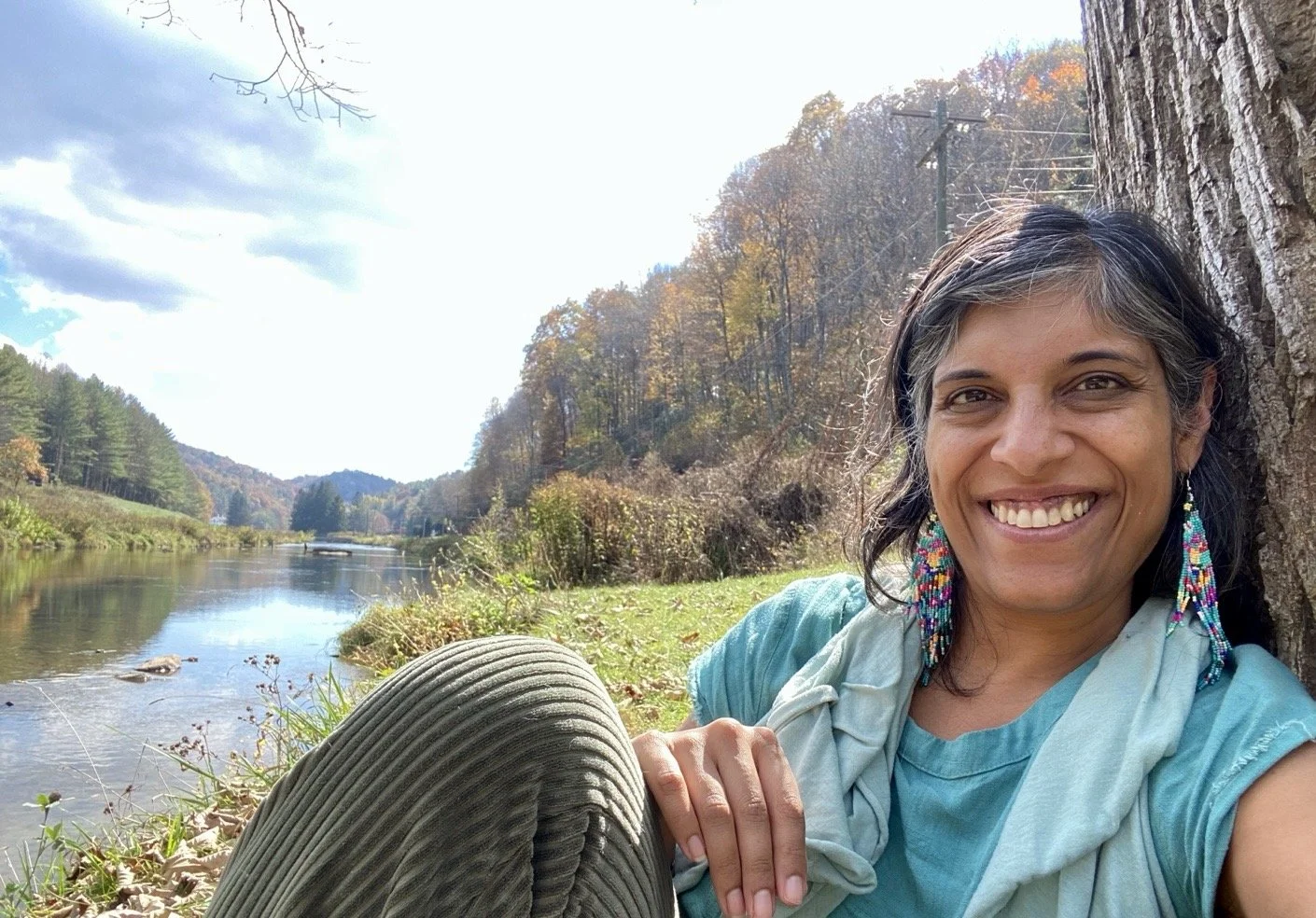


I work at the intersection of human systems, embodied intelligence, relationships, and change.
For more than two decades, I've worked with individuals, teams, organizations, and communities navigating change, uncertainty, conflict, and new possibilities.
My work spans organizational development, leadership, coaching, facilitation, experiential learning, and community building. Across these different settings, I've found myself returning to one central question:
What becomes possible when people have access to more of their own intelligence, creativity, and capacity?
I create spaces and processes where people can listen more deeply, understand what's actually happening, discover possibilities they hadn't previously considered, and turn those discoveries into meaningful action.
Sometimes that means helping an individual navigate a life transition. Sometimes it means bringing a team together around a difficult question. And sometimes it means building an entirely new program, community, or way of working.
What connects it all is my belief that lasting change happens when people develop the capacity to carry it forward themselves.
Today, I live in the Appalachian Mountains of North Carolina, where I help tend Moya, a land-based community rooted in embodied practice, belonging, and collective care.
I’m Aarti (Aar-thee)

MY STORY
FINANCE TO BUDDHISM…

In my twenties, I worked in finance and technology, building a career in project management, human-computer interaction, and organizational leadership. I learned how complex organizations function, how people work within systems, and what it takes to turn ideas into action.
But alongside that professional success, I was beginning to question the life I was building. I knew how to achieve, manage, and produce results. I was less certain how to listen to myself.
Then the 2008 financial crisis arrived. As layoffs swept through my company, I was offered a choice: stay with increased responsibilities or leave with severance.
I chose to leave.
With that severance, I attended a month-long silent meditation retreat. The experience changed the direction of my life.
When I returned, I began working at a Buddhist meditation center in Chicago, where I spent the next seven years immersed in mindfulness, contemplative practice, community life, and Tibetan Buddhist teachings.
What began as a personal exploration gradually became a path of working with others.
Looking back, I don't see these as two unrelated chapters. My corporate experience taught me about organizations, systems, and getting things done. My contemplative training taught me to slow down, listen beneath the surface, and recognize possibilities that aren't always visible through conventional problem-solving.
Both continue to shape how I work today.
BUDDHISM TO COACHING…

Working at a Buddhist meditation center brought me into close relationship with people navigating grief, uncertainty, illness, relationships, and major life transitions. I spent countless hours listening, mentoring, and supporting people as they made sense of their experiences.
At the time, I didn't think of myself as a coach. I was a listener, mentor, and spiritual caregiver. But looking back, this was where an important part of my work took shape.
Contemplative practice taught me to slow down, pay attention, and listen beneath the surface. Working with people taught me something equally important: meaningful change rarely comes from telling someone what to do.
People often already carry more wisdom, creativity, and capacity than they realize. What they need is space to discover and trust it.
That insight became foundational to my coaching practice. Rather than positioning myself as the expert on someone else's life, I help create the conditions for people to see more clearly, explore possibilities, and develop the confidence to move forward on their own.
My role isn't to become indispensable. It's to help people access capacities they can carry long after our work together ends.
COACHING TO MENTORSHIP…

As our community grew, I began to see that individual growth wasn't enough. People were navigating larger questions about race, inequality, violence, belonging, and what it meant to build genuine community across differences.
In Chicago, I became involved in youth mentorship, community organizing, and social engagement. Working alongside young people, activists, nonprofits, and contemplative practitioners, I helped create programs and gatherings that brought people together across lines of race, class, and culture.
One of these initiatives was Speak Up Chicago, a youth-led open mic and community project that connected artists, young leaders, and meditation practitioners through creative expression and dialogue.
This work deepened my understanding of change. People needed more than individual insight. They needed opportunities to be heard, build relationships, discover their strengths, and shape the communities around them.
I began to understand my role differently: not simply supporting individuals, but helping create environments where people could discover their own leadership and build something together.
Many of the young people I mentored during those years remain part of my life today.
MENTORSHIP TO FACILITATION & PLAY

As my work with young people and communities deepened, I began to see how easily difficult conversations could fracture relationships when people lacked shared tools for communication, trust, and repair.
I wanted to understand how to help groups move through differences without losing their connection to one another.
That curiosity led me into facilitation, restorative and transformative justice, InterPlay, and the Art of Hosting. I began integrating dialogue, movement, creativity, and embodied awareness into processes that helped people listen differently, participate more fully, and discover possibilities together.
I facilitated conversations across differences, working with youth organizations, violence prevention groups, nonprofits, and contemplative communities throughout Chicago.
Over time, my role shifted from guiding conversations toward designing the conditions in which people could find their own voices, build relationships, navigate conflict, and create something together.
I discovered that facilitation wasn't about having the answers. It was about helping people access the capacities they already carried — individually and collectively.
FACILITATION TO RITUAL & ANCESTORS

Over time, I began to recognize that conversation and facilitation alone couldn't reach everything people were carrying. Beneath present-day struggles were often deeper histories of grief, migration, cultural disconnection, and inherited patterns.
This understanding drew me toward ancestral healing, ritual, and embodied spiritual practice.
As I deepened my relationship with my own lineage, I began exploring how ceremony, movement, rhythm, grief tending, and connection with the land could complement the relational work I was already doing.
I discovered that change doesn't happen through insight alone. It also happens through the body, through relationships, through cultural remembrance, and through experiences that help people reconnect with what sustains them.
Facilitation gave me frameworks. Ritual gave me roots.
Today, I bring these different dimensions together in my work with individuals, groups, and organizations. The practices may differ, but the intention remains the same: to create conditions where people can reconnect with their own capacities, deepen relationships, and discover what becomes possible next.
COMING FULL CIRCLE
Over time, I began to see that the same questions I was exploring with individuals and communities were also at the heart of organizational life.
How do people navigate change? How do groups move through conflict? How do we create environments where people can contribute their gifts, discover new possibilities, and build something meaningful together?
My work has increasingly brought me back into organizational development, leadership, and systems change — drawing on more than two decades of experience across business, nonprofits, contemplative communities, and community-based initiatives.
Through projects like Antara and Moya, I've continued designing programs, building organizations, developing leaders, and creating structures that support both individual and collective growth.
Today, whether I'm coaching an individual, facilitating a group, or working with an organization, the underlying practice is the same.
I create the conditions for people to see what's happening, discover capacities they may not yet recognize, and build what needs to come next.
My goal isn't to become indispensable. It's to help people and organizations develop the capacity to carry their own work forward.
TESTIMONIALS
Aarti creates a collective space full of deep wisdom, compassion, experimentation and playfulness. She weaves together the spiritual, mystical and practical elements of our lives.
-Kim Rivas, Director of Instructional Innovation and Professional Learning, Niles Township High School
“Engaging with Aarti circles me back to my own understanding, challenge, and purpose and the liberation we can all embody therein. I emerge from our shared experiences with wonder, joy and peace.”
-Karen Hatch, Interplay